If you are deciding between Fayetteville and Manlius, you are not alone. These two Eastside communities are often compared because they sit close to each other but offer a different day-to-day feel. If you want to sort out walkability, housing style, shopping access, and pricing, this guide will help you compare the two with more confidence. Let’s dive in.
Fayetteville vs. Manlius at a Glance
Fayetteville and Manlius both offer established village character, access to local services, and a strong Eastside presence in the Syracuse area. Even so, they do not feel exactly the same once you look at housing, commercial areas, and how easy it is to get around on foot.
A simple way to think about it is this: Fayetteville tends to offer more housing variety, more layered shopping and services, and a somewhat lower price point. Manlius tends to offer a smaller historic village atmosphere and higher asking prices. Your best fit depends on what matters most in your daily routine.
Housing Styles and Community Feel
Fayetteville offers more variety
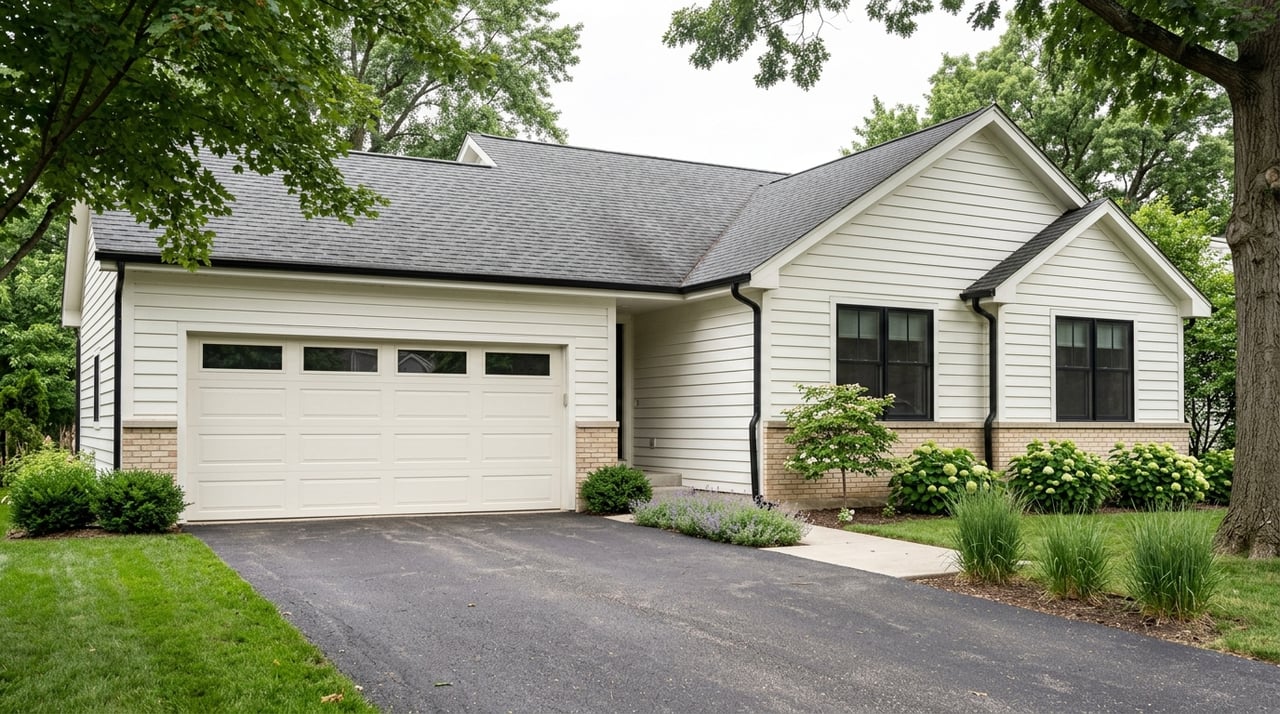
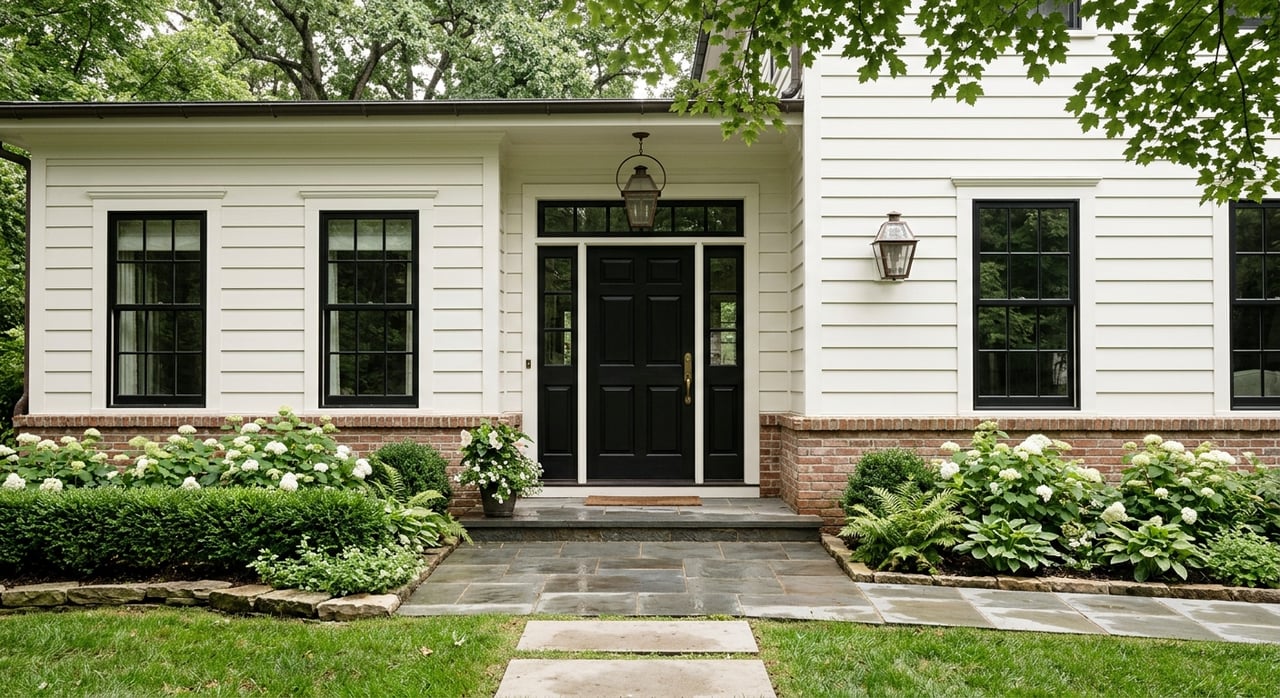
Fayetteville has a broader mix of home styles and eras. Historic survey materials identify Greek Revival, Italianate, Queen Anne, Craftsman, Colonial Revival, bungalows, four-squares, capes, and later condo-style development on the village’s eastern edge.
The same survey notes that later subdivision growth added Colonial Revival, Dutch Colonial, and Tudor Revival homes in the 1920s and 1930s. For you as a buyer, that usually means more architectural variety within the same community and more options if you like comparing older homes with later neighborhood development.
Manlius feels older and more concentrated
Manlius has a more concentrated historic core. Its historic district centers on a three-block, tree-shaded area with about fifty structures, mostly residential, along Seneca Street and Pleasant Street.
That district is dominated by early 19th-century construction, especially Greek Revival and Italianate architecture, with limited later infill. Village history materials also note that much of the old village was built between 1813 and 1825, which supports the older, preserved feel many people notice right away.
What that means for your search
If you want more style variety in one place, Fayetteville may give you a wider spread of choices. If you are drawn to a smaller village center with a stronger historic identity, Manlius may feel more like home.
Outside each center, the housing picture broadens. Still, based on the historic materials, Fayetteville reads as more varied overall, while Manlius reads as more rooted in its historic core.
Walkability and Daily Convenience
Fayetteville has a stronger walkable-center pattern
Fayetteville’s comprehensive plan clearly emphasizes walkability. It calls for sidewalks, bicycle infrastructure, mixed use, and village-center design that puts pedestrian use ahead of vehicle use.
That planning direction shows up in how the village center functions. Walk Score snapshots in central Fayetteville range from 61 to 68, which supports the idea that the core is somewhat walkable for day-to-day errands and visits.
Manlius is walkable mainly near the center
Manlius is also working on pedestrian access, but its approach reflects a more limited sidewalk network in some areas. The town’s Neighborhood Sidewalk Program exists because sidewalks must be created through special districts, with goals tied to safety, mobility, and connections to parks, recreation, transit, and different land uses.
Walk Score examples near the Manlius village center range from 50 to 56. Addresses farther out drop more sharply, with examples at 27, 24, and 17, which supports the idea that car dependence increases outside the core.
The practical takeaway
Both communities are most walkable near their village centers. Outside those areas, both become more car-dependent.
If being able to walk to more daily stops matters to you, Fayetteville appears to have a slight edge. If you are comfortable driving more often outside the center, Manlius may still fit your lifestyle well.
Shops, Services, and Village Character
Fayetteville has more retail layers
Fayetteville has the more developed shopping and service mix. Village materials for Limestone Plaza describe the lower-village business district as a place with retail shopping, restaurants, and some residences.
Its comprehensive plan also identifies two major business districts and lists uses such as restaurants and cafes, gift shops, daily services, a senior center, home improvement, banks, and office space. That gives Fayetteville a denser convenience pattern for errands, dining, and services.
Fayetteville also benefits from a larger retail node at Towne Center at Fayetteville. A local tourism listing describes it as a village-square-style center with major retail stores, specialty shops, supermarkets, and a physicians office building.
Manlius feels smaller and more village-centered
Manlius has a more compact commercial feel. The official village site highlights local businesses and civic amenities such as the fire department, village court, parks and facilities, a senior centre, and other local resources.
The town’s 2023 comprehensive plan also supports diverse and local commerce. Even so, the current commercial core reads as smaller than Fayetteville’s mix of village-center retail plus larger shopping nodes.
Which setup fits your routine?
If you want more shopping and service options close at hand, Fayetteville may feel more convenient. If you prefer a smaller-scale village setting with a compact center, Manlius may feel more aligned with your pace.
Neither choice is better for everyone. It depends on whether you value a fuller errand-and-retail package or a quieter village-centered pattern.
Home Prices and Market Context
Fayetteville trends lower on asking price
As of May 2026, Realtor.com shows Fayetteville with a median listing price of $399,000 and a median sold price of $367,500. The same snapshot shows about 50 homes for sale and a median rent of roughly $2,997 per month.
Redfin’s rolling three-month data from late spring 2026 also places Fayetteville around a $370,000 median sale price. That lines up closely with the sold-price snapshot and helps confirm the general pricing range.
Manlius trends higher on asking price
For the same month, Realtor.com shows Manlius with a median listing price of $599,900 and a median sold price of $436,500. That snapshot also shows 63 homes for sale and a median rent of about $2,700 per month.
Redfin’s rolling three-month data puts Manlius near a $410,000 median sale price. That still supports the same overall takeaway: Manlius tends to be the pricier market, especially on active asking prices.
How to read the numbers
The gap between the two communities looks larger on listing prices than on closed sales. That matters because asking price tells you how sellers are positioning homes, while sold price shows where deals are actually closing.
Market-speed numbers vary by source and time period, so it is better not to rely on one single claim about days on market. The clearest takeaway from the available data is price positioning, not a fixed pace comparison.
Which Community Might Fit You Best?
Fayetteville may be the better fit if you want:
- More housing-style variety
- A somewhat stronger walkable-center feel
- More layers of shopping, dining, and everyday services
- A lower typical asking price than Manlius
Manlius may be the better fit if you want:
- A smaller, more preserved historic village atmosphere
- A more residential feel near the village core
- A setting where historic character stands out more clearly
- A market where asking prices tend to run higher
How to Compare Them Like a Buyer
When you tour Fayetteville and Manlius, try to compare them through the lens of your daily life, not just curb appeal. Two homes can look similar online but feel very different based on what surrounds them.
Here are a few smart questions to ask yourself:
- How often do you want to walk to shops or services?
- Do you prefer a broader housing mix or a more historic village feel?
- How important is quick access to larger retail options?
- Are you trying to stay within a certain purchase price range?
- Would you be comfortable driving more often outside the village core?
These answers can help you narrow your search faster. They also make it easier to focus on the right streets, price ranges, and home styles once you start touring.
Final Thoughts on Fayetteville and Manlius
Fayetteville and Manlius are both appealing Eastside options, but they serve different priorities. Fayetteville tends to stand out for convenience, commercial depth, and housing variety, while Manlius stands out for its historic village atmosphere and more compact core.
If you are weighing the two, the best next step is to compare not only homes but also the rhythm of each community. When you match the location to your budget, routine, and style preferences, the right choice usually becomes much clearer.
If you want help comparing neighborhoods, price points, and available homes in the Eastside market, connect with Kevin Faatz for a free consultation.
FAQs
Is Fayetteville or Manlius more walkable for daily errands?
- Fayetteville appears slightly more walkable near its village core, while both communities become more car-dependent outside their centers.
Does Fayetteville or Manlius have more home-style variety?
- Fayetteville has the broader documented mix of housing styles and eras, while Manlius has a more concentrated historic core with older architecture.
Is Manlius more expensive than Fayetteville?
- Based on May 2026 market snapshots, Manlius shows higher median listing and sold prices than Fayetteville.
Which village has more shopping and services, Fayetteville or Manlius?
- Fayetteville has the more layered mix of business districts, retail, restaurants, and larger shopping nodes, while Manlius has a smaller, more compact village-centered commercial core.
Should you choose Fayetteville or Manlius if you want historic character?
- If a preserved historic village atmosphere is your top priority, Manlius may be the stronger fit based on its older and more concentrated village core.