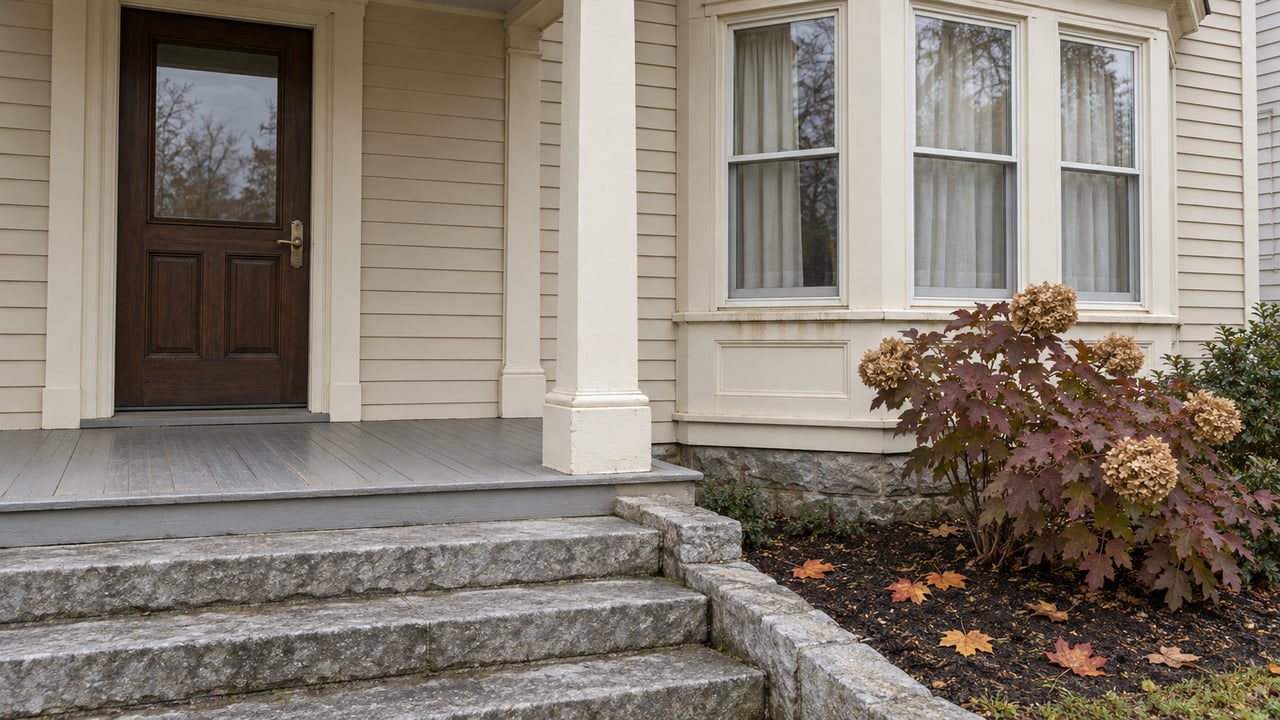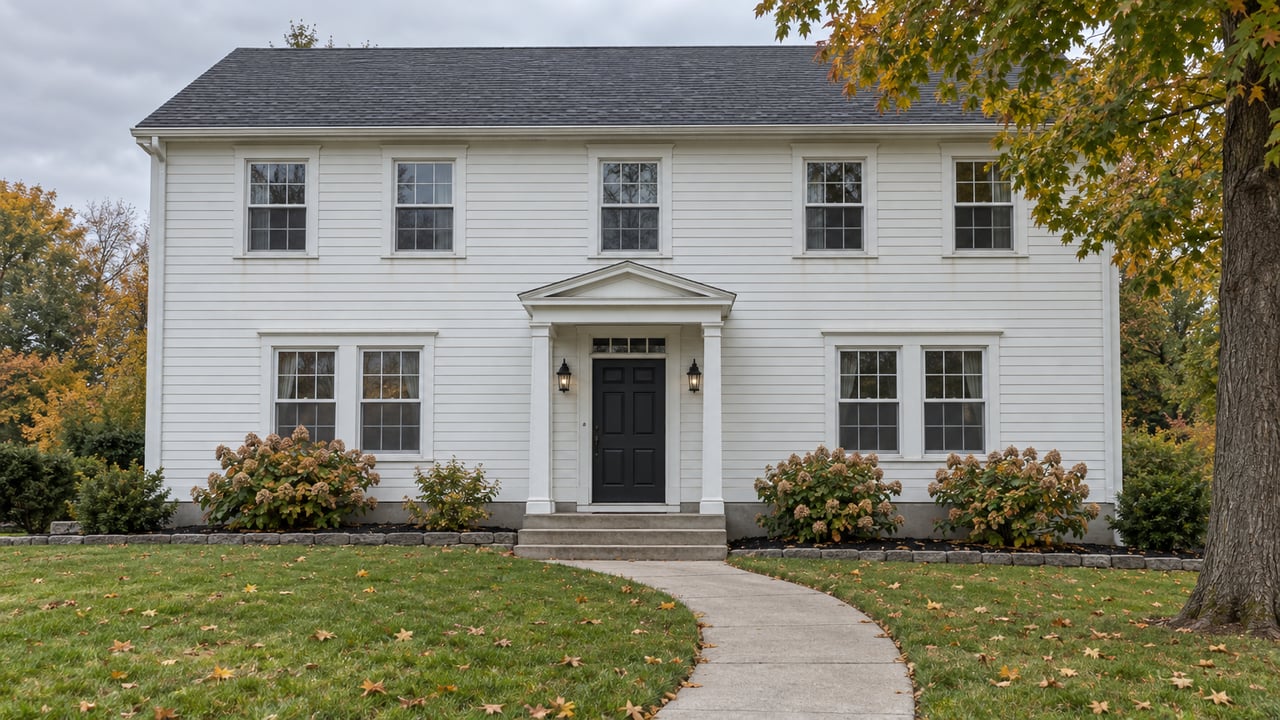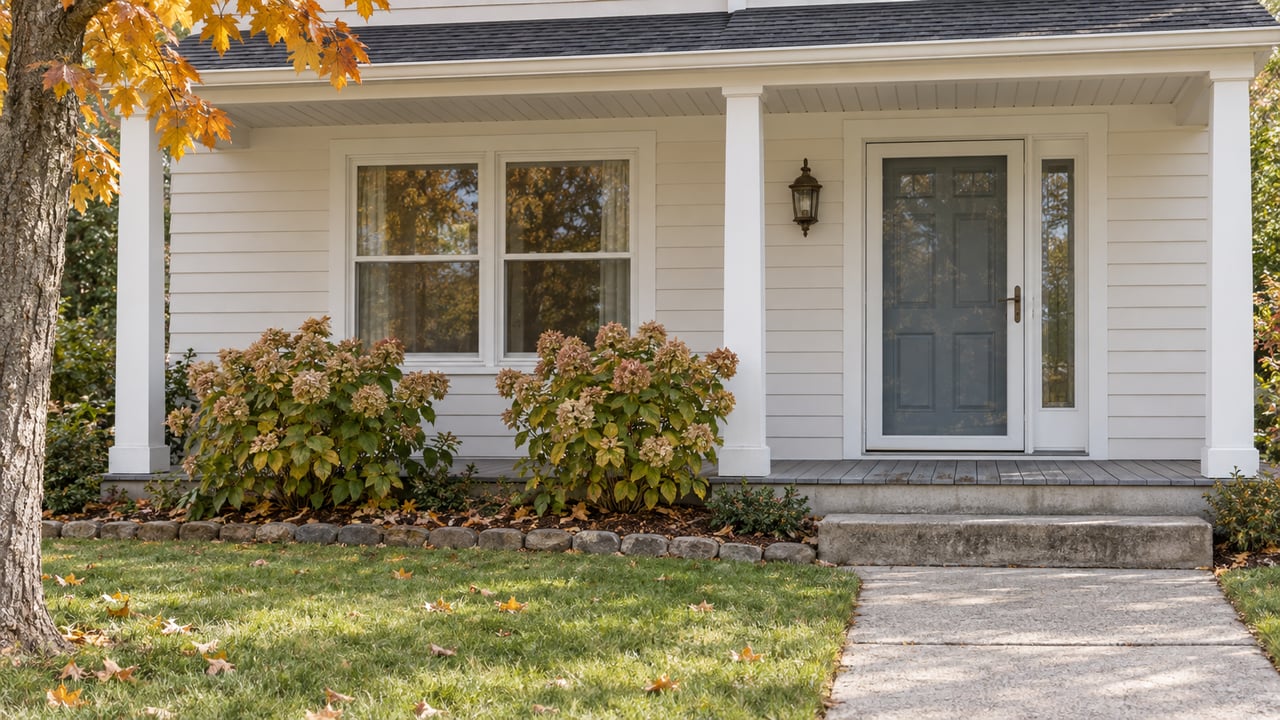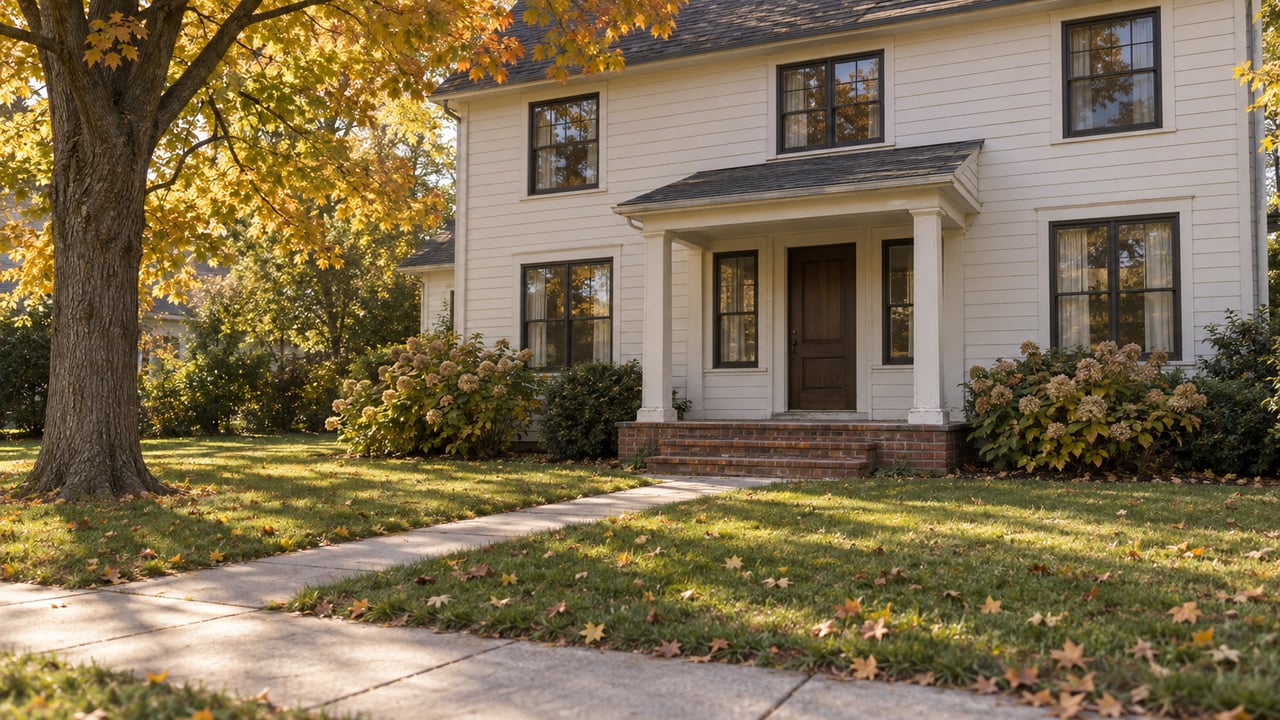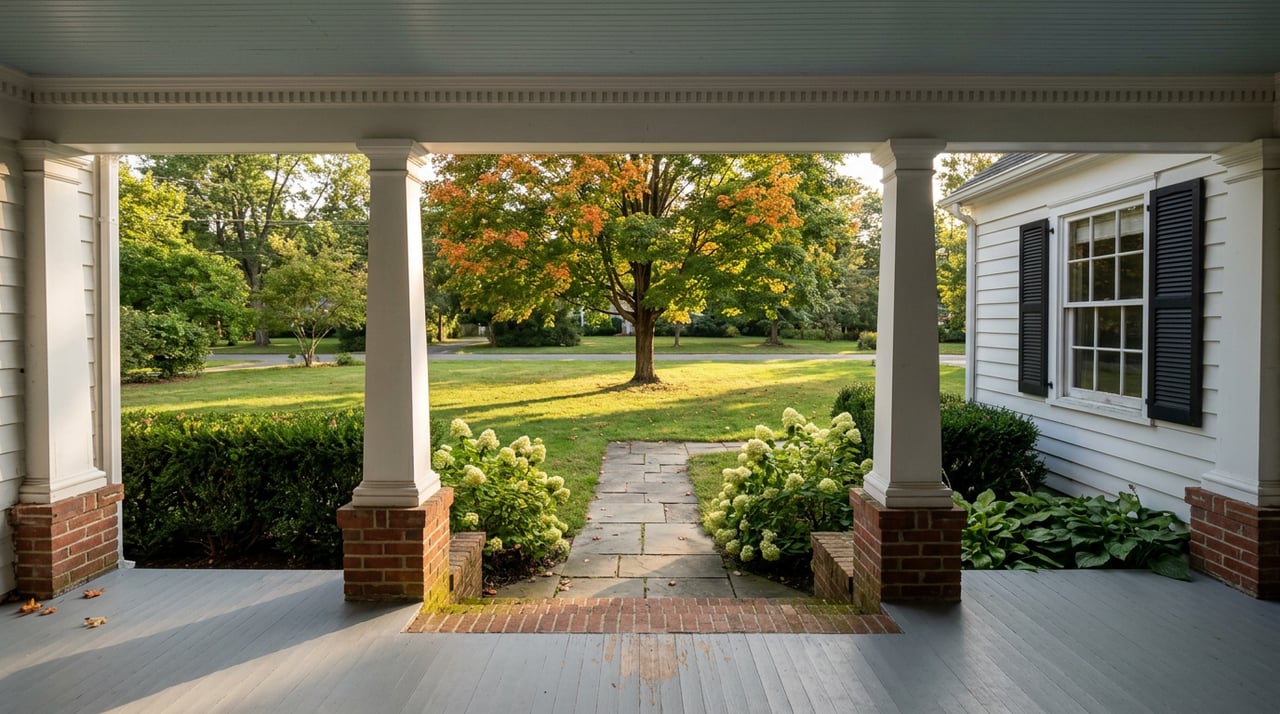
A buyer touring Genesee Street Hill on a Saturday afternoon sees the same thing on both sides of the street: deep-set Greek Revival porches, tall narrow windows, the kind of trim work nobody bothers with anymore. The listing agent says "historic district" and the buyer nods, assuming the phrase means one thing. It doesn't. Only a small, specific stretch of that hill is actually inside Fayetteville's legally designated historic district, as the Genesee Street Hill-Limestone Plaza Historic District nomination shows. Everything else that looks the part, and there's a lot of it, sits outside the boundary that comes with rules, review, and a tax break, as the village's Historic Preservation Commission explains.
That distinction matters the moment a new owner wants to replace a window, add a porch, or reroof. It matters even more if they're counting on a tax exemption they don't actually qualify for. Here's what the village's own records say about where the line falls and what sits on each side of it.
Two Different Things Are Both Called "Historic"
The legally protected part of Fayetteville is the Genesee Street Hill-Limestone Plaza Historic District, listed on the National Register of Historic Places in the early 1980s. The original nomination document puts the buildings at 42, most dating from 1820 to 1885, running along East Genesee Street and wrapping the commercial cluster at Limestone Plaza. The village's own history page rounds the listing date to 1983, while the National Register nomination itself says 1982. For buyers, the mapped footprint is the more practical detail.
That 42-building footprint is what carries legal weight. It's not a synonym for "old house in Fayetteville." It's a mapped boundary on file with the Village Clerk, and it covers a fraction of the houses that a buyer touring the village would call historic on sight.
What Actually Triggers a Review
Inside that boundary, the village's code is specific. Chapter 187-47 requires anyone doing exterior work, from a full addition down to a fence or a set of front steps, to get a "certificate of appropriateness" from the Historic Preservation Commission before touching the property. The rule covers alteration, restoration, reconstruction, demolition, new construction, and even changes to light fixtures or signage if they're visible from the street.
A few mechanics matter more than the general rule:
- The village's Historic District Property Owners' Guide says the Commission does not review interior work. Gut a kitchen, refinish original floors, redo the wiring, none of that requires a certificate. The review is exterior only.
- The certificate has to happen before the building permit. An owner can't pull a permit for exterior work in the district and sort out historic review later.
- The village's Historic Preservation Commission requires applications to go in at least two weeks ahead of its monthly meeting to make the agenda.
That sequencing catches people off guard more than the design standards do. A buyer who closes in October and wants a new roof before winter needs to build the certificate timeline into the renovation schedule, not treat it as paperwork they can backfill.
Inside the Line vs. Outside the Line
The gap between "historic-looking" and "historic district" shows up clearest when you put the two side by side.
| Inside the Genesee St. Hill-Limestone Plaza District | Historic-style home elsewhere in the village | |
|---|---|---|
| Certificate of appropriateness required for exterior work | Yes, under Chapter 187-47 | No |
| Eligible for the historic property tax exemption (NYS RP-444a) | Yes, filed with the Town Assessor | No |
| Interior renovations reviewed | No, exterior only | Not applicable |
| Covered by the 1982/83 National Register listing | Yes | No |
The tax piece is the one buyers tend to miss entirely. Owners inside the district can file form RP-444a with the Town Assessor for an exemption on qualifying improvements. An 1870s house two blocks off the Hill, built in the same style by the same era of carpenters, gets none of that. Same look, same age range in some cases, completely different set of rules and completely different access to the exemption.
The Survey That Found a Much Bigger Historic Fayetteville
Here's where it gets more interesting for anyone thinking long-term about a purchase on or near the Hill. In 2018, the village commissioned a Reconnaissance Level Historic Resources Survey covering every parcel within its boundary. The village has roughly 1,800 properties total. The survey identified a historic core of nearly 900 of them, houses and buildings dating to the nineteenth and early twentieth centuries, wrapped on nearly all sides by postwar subdivision development.
State Historic Preservation Office staff who visited the village for smaller project reviews told surveyors that a lot of that 900-property core looked eligible for National Register listing in its own right, and floated the idea that the tiny 42-building district could eventually be expanded to bring more of the village under the same protections and incentives.
Nothing in the current code makes that expansion automatic, and there's no adopted timeline for it. What the survey does establish is that the boundary as it stands today reflects a 1980s-era decision about which 42 buildings mattered most, not a full inventory of what the village actually has. A buyer purchasing an 1890s house outside the current line today could plausibly own a house that ends up inside an expanded district a few years from now, with all the review requirements and all the tax exemption access that comes with it. That's not a promise, it's a live possibility sitting in a document the village paid to produce and hasn't acted on yet.
What This Means Before You Make an Offer
If a listing on or near Genesee Street Hill catches your eye, a few questions are worth asking before you write an offer:
Ask whether the specific parcel falls inside the mapped historic district, not whether the house "looks historic" or is marketed under a phrase like Historic Fayetteville. The Village Clerk's office keeps the zoning map that shows the actual boundary.
If it's inside the district and you're planning exterior changes, price the certificate of appropriateness timeline into your renovation schedule, not just the cost of materials. Projects involving window replacement, siding, or roofing tend to draw the most scrutiny because those are the elements most visible from the street.
If you're buying specifically for the tax exemption, confirm the parcel is inside the district and ask the Assessor's office what improvements have historically qualified under RP-444a.
Recent listings around the village give a sense of what different buyers are actually working with. A renovated 1800s farmhouse, colonial, or Victorian tends to land near $290,000, while ranch homes, split-levels, and newer construction run closer to $390,000 to $425,000. Custom builds on larger lots occasionally clear $1 million, though those are outliers rather than the norm. None of that pricing tells you which side of the historic line a given house falls on. Only the zoning map does.
A Few Direct Questions
Does being on the National Register by itself restrict what I can do to my house? Not on its own. It's the village's local ordinance, Chapter 187-47, that creates the certificate of appropriateness requirement. National Register status is what put this particular 42-building stretch on the map in the first place, but the enforceable rules come from the local code.
Can I get the tax exemption if my house is just outside the mapped district? No. The RP-444a exemption is tied to properties within the designated historic district, not to age or architectural style alone.
Is the district actually going to expand? There's no adopted plan or date. The 2018 survey raised the possibility and SHPO staff have suggested it's worth pursuing, but expansion would require its own process through the village. Buyers should treat it as a possibility worth knowing about, not a guarantee to plan around.
Fayetteville's older neighborhoods reward the kind of attention that goes past the listing photos. If you're weighing a purchase on Genesee Street Hill or anywhere else in the village and want a clear read on what a specific parcel actually carries with it, the Faatz Team can walk through the zoning map, the renovation timeline, and what it would mean for your plans. Schedule a Free Consultation and bring your address.
This article is general information, not legal, tax or financial advice. Consult a qualified professional about your situation.